
Podcasting tips
The 10 Podcasting Mistakes That Keep Your Show From Growing (And How to Fix Them)
17 October 2026 · 11 min read
فارسی بخوانید
Starting a podcast has never been easier. You can record an episode from your bedroom, publish it online, and reach listeners around the world without a professional studio or a big budget.
But getting people to listen, come back, and recommend your show? That’s a different challenge.
Many podcasts struggle not because their creators lack talent or interesting ideas, but because small, avoidable mistakes get in the way. Poor audio, unfocused episodes, inconsistent publishing, and a lack of promotion can make even a great podcast difficult to discover and enjoy.
The good news is that you don’t need expensive equipment or a massive marketing budget to improve your show. You just need to get a few important things right.
Here are 10 common podcasting mistakes that could be holding your show back—and what you can do about them.
1. Skipping the Test Recording
Imagine finishing an incredible hour-long interview only to discover that your microphone wasn’t connected properly. Your guest sounded great in the room, but the recording is full of noise, distortion, or barely audible speech.
It’s every podcaster’s nightmare, and it’s often preventable.
Technical problems don’t always announce themselves. Your recording software might select the wrong microphone, your audio levels might be too low, or a cable might become disconnected.
How to fix it
Before every recording session, make a quick 30-second test recording. Play it back and check that:
- You’re using the correct microphone.
- Voices are clear and at a comfortable volume.
- There’s no unexpected background noise or distortion.
- Both sides of a remote conversation are being recorded properly.
If you’re interviewing someone remotely, ask your guest to do the same.
A few seconds of preparation can save you hours of frustration.
2. Underestimating Audio Quality
People might tolerate simple artwork or an imperfect website, but consistently unpleasant audio makes a podcast much harder to enjoy.
Background noise, excessive room echo, inconsistent volume, and distorted voices can distract listeners from what you’re saying. And if they have to strain to understand you, they may simply choose another show.
The important thing to remember is that good audio matters more than expensive equipment.
How to fix it
Start with the basics:
- Record in a quiet room with soft furnishings that help reduce echo.
- Invest in a reliable microphone that suits your recording environment.
- Wear headphones to monitor your audio.
- Keep a consistent distance from the microphone.
- Use editing and audio-processing tools to reduce noise and balance volume.
Microphones such as the Audio-Technica ATR2100x-USB and Shure MV7 are worth considering, but you don’t need to buy professional equipment immediately.
Start with what you have, learn how to use it well, and upgrade when your needs justify the investment.
3. Making Your Intro Too Long
You’ve spent hours preparing an episode, and you’re excited to share it. Naturally, you want to explain the background, introduce your guests, thank your supporters, and tell everyone about your latest projects.
But your listeners haven’t necessarily come for all that.
They pressed play because something about your episode caught their attention. If you spend the first several minutes talking around the topic, they might leave before reaching the good part.
How to fix it
Give listeners a reason to stay from the beginning.
Open with a compelling question, an interesting moment from the conversation, a surprising insight, or a clear explanation of what the episode offers.
For example, instead of starting with five minutes of introductions, you could begin with:
“Why do some podcasts attract thousands of loyal listeners while others struggle to reach a hundred? Today, we’re looking at the mistakes that could be holding your show back.”
Then introduce the episode and get into the content.
There’s nothing wrong with personality, humor, or casual conversation. Just make sure your opening earns the listener’s attention rather than asking for it.
4. Trying to Reach Everyone
It’s tempting to create a podcast for anyone interested in business, technology, culture, or entertainment. After all, a bigger potential audience sounds like a better opportunity.
In practice, a broad topic can make it harder for people to understand why they should listen to your particular show.
When listeners discover a new podcast, they want to know what makes it relevant to them.
How to fix it
Define your audience more clearly.
Instead of creating a general business podcast, consider a show about the challenges facing first-time entrepreneurs. Instead of covering every aspect of technology, focus on how artificial intelligence is changing everyday work.
A more specific focus helps you:
- Develop topics that resonate with a particular audience.
- Build a recognizable identity.
- Attract guests who bring relevant expertise.
- Create a community around shared interests.
You don’t have to limit yourself forever. Your show can evolve as your audience grows.
The goal isn’t to appeal to as few people as possible. It’s to give the right people a compelling reason to listen.
5. Publishing Without Editing
Authentic conversations are one of the best things about podcasting. Unlike highly produced video, a podcast can feel personal, spontaneous, and refreshingly natural.
But there’s a difference between an authentic conversation and a recording that hasn’t been prepared for an audience.
Long stretches of silence, repeated explanations, distracting background sounds, and technical interruptions can make an otherwise interesting episode difficult to follow.
How to fix it
Develop a simple editing process that suits your format.
You don’t need to remove every “um” or pause. Natural speech is part of what makes conversations human. Focus instead on anything that distracts from the content or disrupts the listening experience.
Useful editing tools include:
- Audacity: A free audio editor for recording, cutting, and processing audio.
- Descript: An editing tool that lets you work with audio and video through a text-based workflow.
- Auphonic: An audio post-production service that helps balance loudness and reduce noise.
If you’re working with interviews, pay particular attention to transitions and pacing. If you’re producing a conversational show, preserve the moments that make the discussion feel genuine.
Good editing isn’t about making your podcast sound artificial. It’s about making the experience better for your listeners.
6. Recording Without a Plan
Some of the best podcast moments happen spontaneously. A guest shares an unexpected story, a discussion takes an interesting turn, or a question leads somewhere nobody anticipated.
But relying entirely on improvisation can also lead to repetitive discussions, forgotten questions, and episodes that go on long after the main point has been made.
How to fix it
Prepare a simple outline before you record.
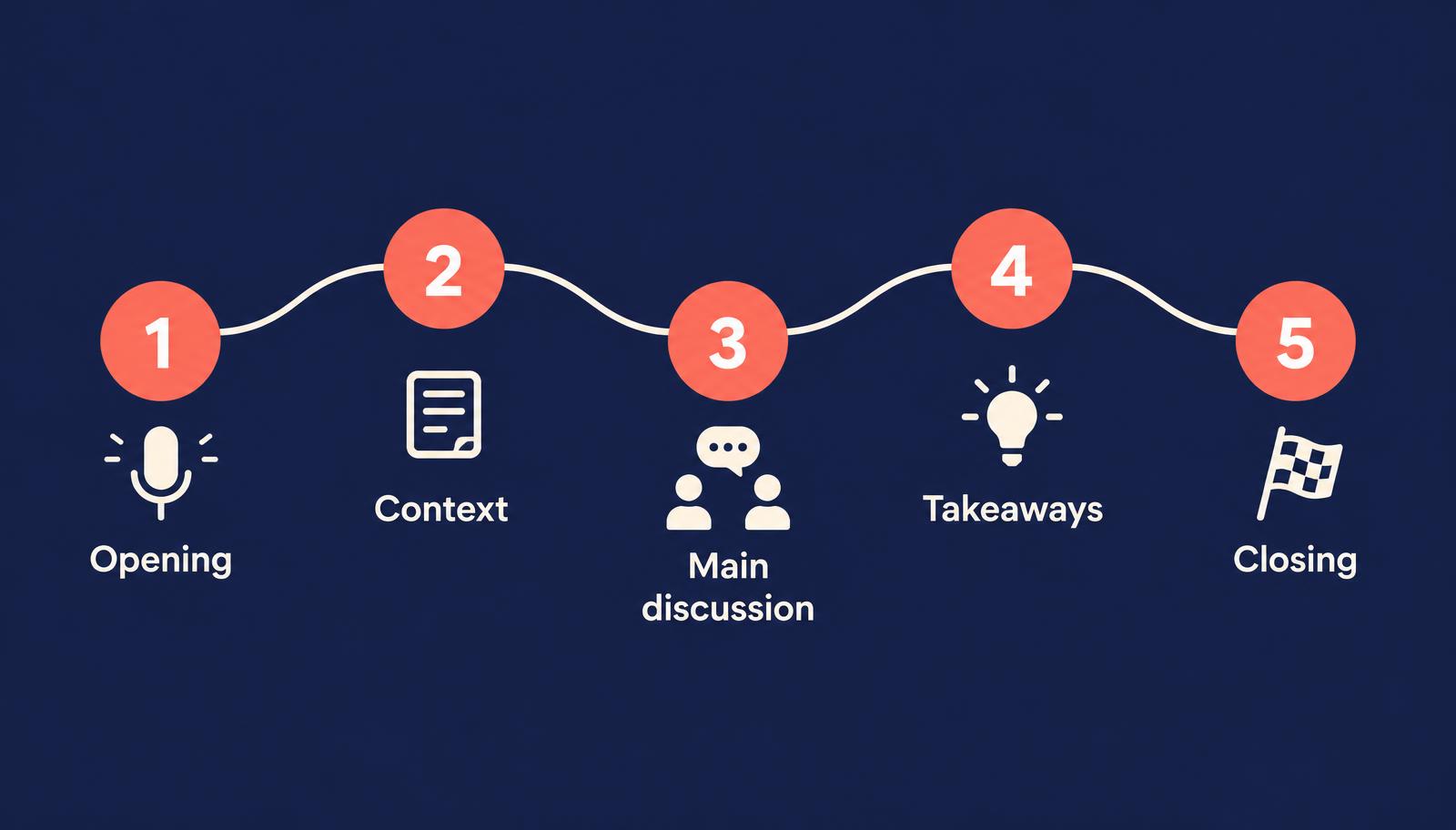
You might structure an episode like this:
- Opening: Introduce the topic and explain why it matters.
- Context: Give listeners the background they need.
- Main discussion: Explore three to five key ideas.
- Takeaways: Summarize the most useful insights.
- Closing: Recommend a next step or invite listeners to continue the conversation.
For interviews, prepare questions in advance but avoid treating them as a rigid script. Listen to your guest and follow interesting threads when they emerge.
Think of your outline as a map, not a set of instructions you must follow word for word.
It gives your episode direction while leaving room for the unexpected.
7. Publishing Inconsistently
Imagine discovering a podcast you love. You listen to a few episodes, add it to your library, and look forward to the next release.
Then nothing happens for six weeks.
When the show finally returns, you’ve already found something else to listen to.
An inconsistent publishing schedule doesn’t automatically doom a podcast, but it can make it harder to establish a listening habit and maintain momentum.
How to fix it
Choose a schedule you can realistically maintain.
Weekly publishing isn’t necessarily better than releasing an episode every two weeks. The right schedule depends on your format, available time, production resources, and audience expectations.
To make consistency easier:
- Plan upcoming episodes several weeks in advance.
- Batch-record episodes when possible.
- Create a small reserve of finished episodes.
- Allow enough time for editing, publishing, and promotion.
- Communicate clearly if your schedule changes.
Most importantly, don’t commit to a demanding schedule just because other creators follow one.
A well-produced episode every two weeks is better than an ambitious weekly schedule that leaves you exhausted after a month.
8. Choosing Episode Titles Nobody Searches For
You might call an episode “The Conversation That Changed Everything” because it perfectly captures how you felt after recording it.
But a potential listener browsing a podcast app has no idea what that means.
A title needs to do more than express your personality. It should help people understand what an episode is about and decide whether it’s relevant to them.
How to fix it
Write titles that combine clarity, curiosity, and a specific topic.
For example:
- Instead of “The Conversation That Changed Everything” → “How to Turn Your Podcast Into a Sustainable Business”
- Instead of “We Need to Talk” → “Why Independent Creators Struggle to Grow Their Audience”
- Instead of “Episode 42: An Interesting Guest” → “How Independent Musicians Build an Audience in the Streaming Era”
Use the language your intended audience would naturally use when searching for information.
Avoid stuffing titles with keywords or making promises the episode can’t deliver. A clear, honest title that matches the content is more valuable than a clever headline that attracts the wrong audience.
And remember: your episode title is only part of the picture. Your description, show notes, cover art, and opening moments all help people decide whether to listen.
9. Neglecting Search, Show Notes, and Transcripts
Publishing an episode on a podcast platform is an important step, but it doesn’t mean everyone who might enjoy your show will discover it.
People find podcasts in different ways. They search for specific topics, follow recommendations, discover clips on social media, or hear about a show from someone they trust.
If your episodes have vague descriptions and little supporting information, you’re missing opportunities to make your content easier to find and understand.
How to fix it
Give every episode a useful digital home.
If possible, publish a page on your website containing:
- A clear episode title and description.
- A concise summary of the main discussion.
- Key topics and timestamps.
- Links to people, books, tools, or resources mentioned.
- A transcript, when available.
- An embedded player or a link to listen.
Transcripts can also make your content more accessible to people who are deaf or hard of hearing, those who prefer reading, and listeners who want to revisit a specific point.
You can use relevant keywords naturally in your episode titles, descriptions, and website content. This helps search engines understand the subject of your work, although it doesn’t guarantee higher rankings.
The bigger opportunity is that a single episode can become more than an audio file. It can become a searchable resource that continues to introduce people to your work.
10. Expecting Listeners to Find You Automatically
You’ve recorded the episode, edited the audio, designed the cover, and finally pressed publish.
Now comes the waiting.
A few plays appear, but the audience you imagined doesn’t arrive. You start wondering whether the topic was wrong or whether your podcast simply isn’t good enough.
Before reaching that conclusion, consider something important: publishing is only one part of podcasting. People also need a way to discover your show.
Even excellent content can go unnoticed when nobody knows it exists.
How to fix it
Build promotion into your production process instead of treating it as an afterthought.
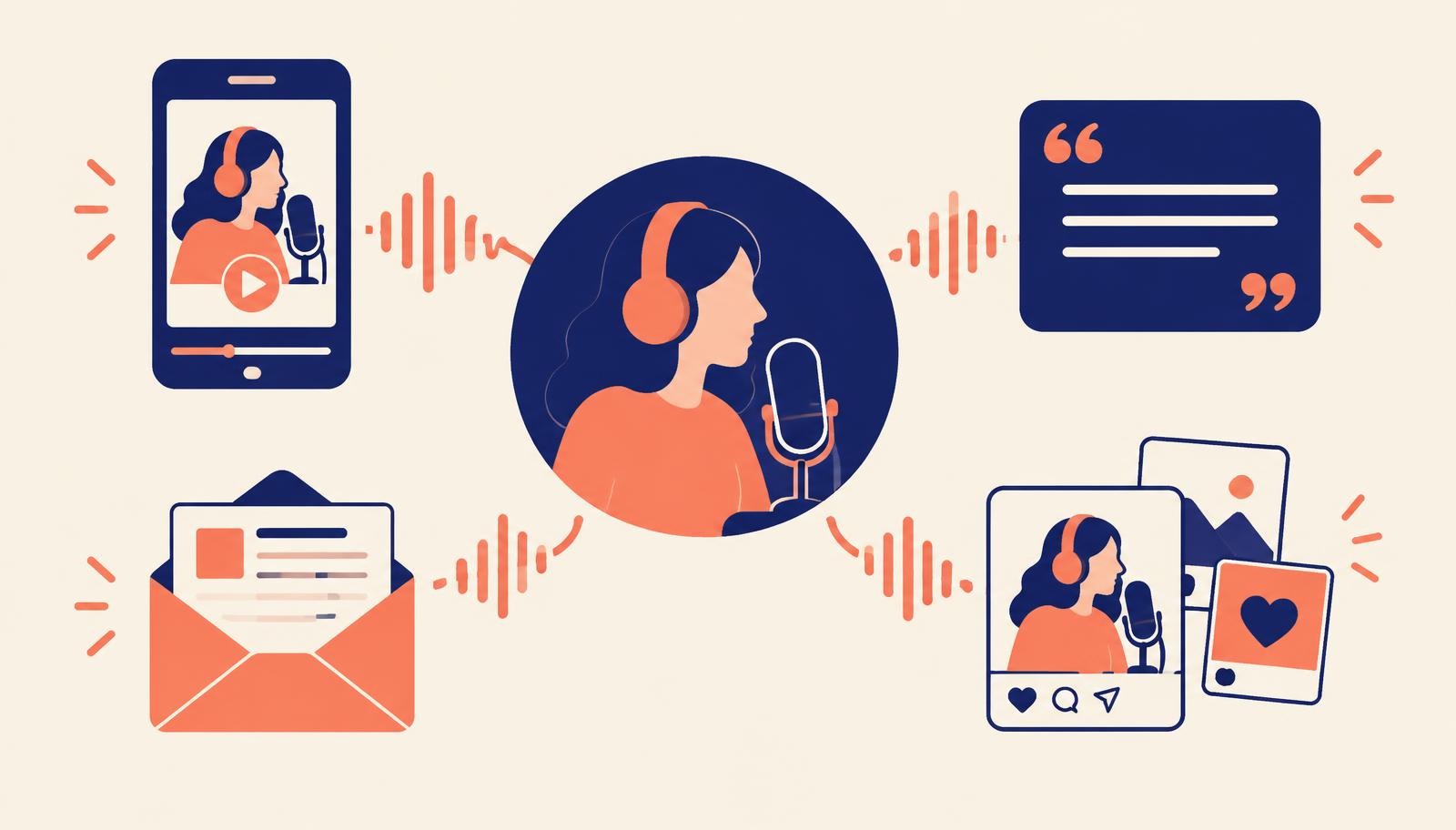
For every episode, consider creating:
- Short video clips for Instagram Reels, TikTok, and YouTube Shorts.
- Quote cards highlighting memorable insights.
- A short newsletter introducing the episode.
- Social posts that ask a question related to the discussion.
- Collaborations with guests who can share the episode with their audiences.
- Relevant website content that helps new listeners discover the topic.
You don’t have to be active on every platform. Choose the channels that make sense for your audience and focus on doing them well.
Also, don’t measure success only by the number of plays an episode receives on launch day. Pay attention to returning listeners, completion rates where available, audience feedback, and which topics consistently generate interest.
Promotion isn’t about shouting louder than everyone else. It’s about helping the right people discover something they might genuinely enjoy.
The Bottom Line: Make Your Podcast Easier to Listen to, Find, and Love
Growing a podcast rarely comes down to one perfect microphone, one viral clip, or one clever marketing trick.
It’s usually the result of many small decisions made consistently over time.
Clear audio makes your show easier to enjoy. Focused episodes give listeners a reason to stay. A realistic publishing schedule helps build habits. Thoughtful titles and show notes improve discoverability. And consistent promotion helps your work reach people who haven’t heard of you yet.
You don’t need to fix everything overnight.
Start with the two or three mistakes most relevant to your podcast, improve your process, and see how your audience responds. Then keep refining your approach.
Most importantly, remember that podcasting isn’t just about producing episodes. It’s about creating something people want to return to.
And once you’ve created something worth listening to, make sure people have the opportunity to discover it.
Looking for your next listening experience? Discover podcasts and radio channels on Jingool, and explore audio from voices and creators around the world.
Listen on Jingool
Download Jingool